
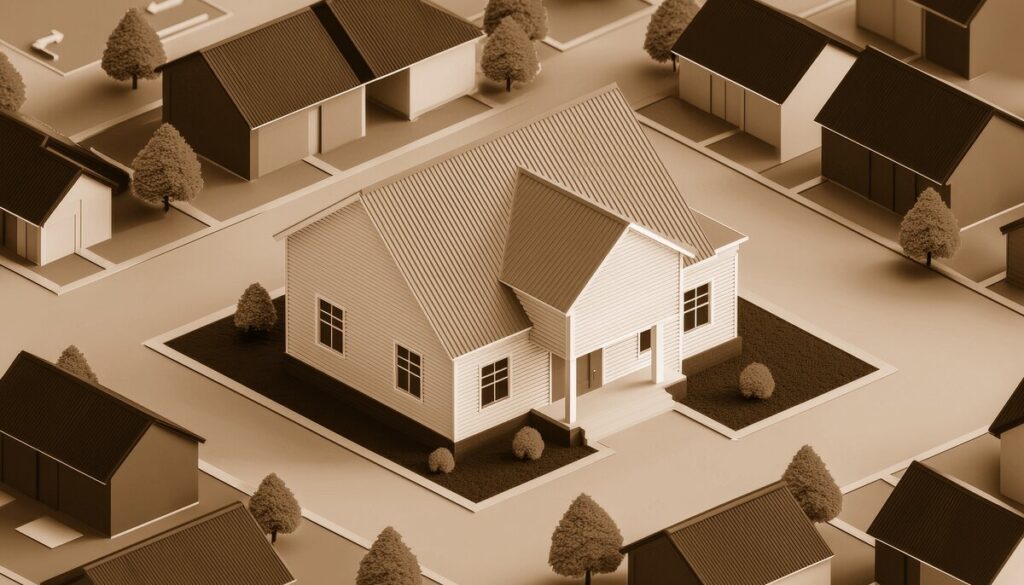
Nestled in the northern part of Decatur, Illinois, the North Fork neighborhood stands as a living testament to the city’s rich tapestry of history and community spirit. While often overshadowed by Decatur’s more centrally located districts, North Fork possesses a legacy all its own—a story interwoven with resilience, transformation, and pride. Whether you’re strolling down familiar streets or discovering its treasures for the first time, North Fork’s heritage invites you in with open arms.
The Origins: Roots in Rich Prairie Lands
North Fork’s history dates back to Decatur’s early expansion in the late 19th century. Originally sprawling farmland dotted with wild prairie grass and curling around a northern fork of the Sangamon River, the area we now call North Fork was once the province of pioneers and intrepid farmers. The name “North Fork” itself is a nod to this winding waterway—the North Fork of Stevens Creek—which drew settlers with its promise of fertile soil and easy access to water. This creek remains a quiet, meandering presence, tracing the neighborhood’s northern boundary and serving as a subtle reminder of North Fork’s bucolic beginnings.
Neighborhood Formation and Early Growth
As Decatur entered the twentieth century, industrial growth and the expansion of the city’s railways brought new housing needs. By the 1910s and 1920s, North Fork began to take shape as a residential neighborhood. Broad acres were subdivided into tidy lots, particularly along Brush College Road and North Water Street, and rows of modest Craftsman-style homes sprang up. The proximity to railway spurs and the burgeoning factories on Decatur’s north side provided steady employment, attracting a working-class population eager to build a new life.
A defining milestone came with the extension of public utilities and improved roadways by the 1940s. The streets that anchor the community today—Lawrence Avenue, Division Street, and North Jasper Street—became the neighborhood’s arteries, linking residents to downtown Decatur and nearby farming hamlets.
Landmarks and Legacy: Places that Tell North Fork’s Story
One of the neighborhood’s most enduring institutions is Brush College Elementary School, founded in the 1920s to serve the growing number of local families. For generations, its stately brick building on Brush College Road has been the heart of community life—hosting not just classrooms but also civic meetings, festivals, and neighborhood gatherings.
Just north of the school, the North Fork United Methodist Church has welcomed residents since its cornerstone was laid in the early 1950s. With its graceful white steeple and inviting red doors, this church has been a spiritual anchor, echoing with hymns and fellowship suppers over the decades.
No account of North Fork would be complete without mentioning Anderson Park at the intersection of North Jasper and East Ash Avenue. Named for a beloved local alderman, Anderson Park’s playgrounds, baseball diamonds, and stately oaks have shaped childhood memories for thousands. Summer saw ice cream socials and the pop of Little League bats, while autumn painted the park in amber hues for annual harvest festivals.
Changing Faces: The Community Evolves
The passage of time has brought changes to North Fork, as it has to all of Decatur. Following the postwar boom, the 1960s and 70s saw North Fork diversify further as new families arrived from across the Midwest. Newer ranch homes appeared on the northern edges, and longtime businesses along North Water Street—like Calvin’s Grocery and Martin’s Barber Shop—became local institutions.
Despite economic ups and downs, residents always found ways to come together. The North Fork Neighborhood Association, founded in 1984, rallied neighbors to maintain their streets, advocate for better lighting, and keep Anderson Park clean and safe. Their efforts paid off: crime rates dropped, and community pride soared. Annual events like the North Fork Fall Festival and holiday parades became cherished rituals, drawing crowds from across the city.
Recent decades have brought both challenges and renewals. As industries shifted and some families moved away, new energy arrived in the form of young homeowners restoring Craftsman bungalows and retirees choosing the neighborhood for its quiet charm. Gardens bloom along Lawrence Avenue, backyard barbecues fill the air with laughter, and generational ties remain strong.
Institutions That Anchor North Fork
Today, North Fork continues to be shaped by local institutions that reflect its enduring values. Brush College Elementary remains a hub of learning and community service, partnering with nearby churches on food drives and tutoring programs.
The North Fork United Methodist Church hosts everything from pancake breakfasts to coat drives, reaching beyond denominational lines to help those in need. Local businesses along North Water Street—some family-run for decades—provide steady work and services, while new shops and eateries begin to join their ranks.
Why North Fork Remains Special
What makes North Fork feel like home isn’t just its storied past, but a spirit of neighborliness that has endured. You’ll still find porches where friends gather for evening chats, alleys where generations have played, and parks that welcome new stories every year.
While it may never be the noisiest or trendiest corner of Decatur, North Fork has offered stability, friendship, and belonging for more than a century. Whether you’re leafing through old photos at Brush College Elementary’s annual alumni reunion or rooting for your child at Anderson Park’s little league game, you’re part of a tradition that honors both memory and possibility.
North Fork’s story is still being written—on every block and in every handshake. It’s a place where the past enriches the present, and where the promise of community holds fast, one welcoming season after another.